The Ribble Valley in Lancashire is frequently cited as one of the premier cycling destinations in the North of England, and for good reason.
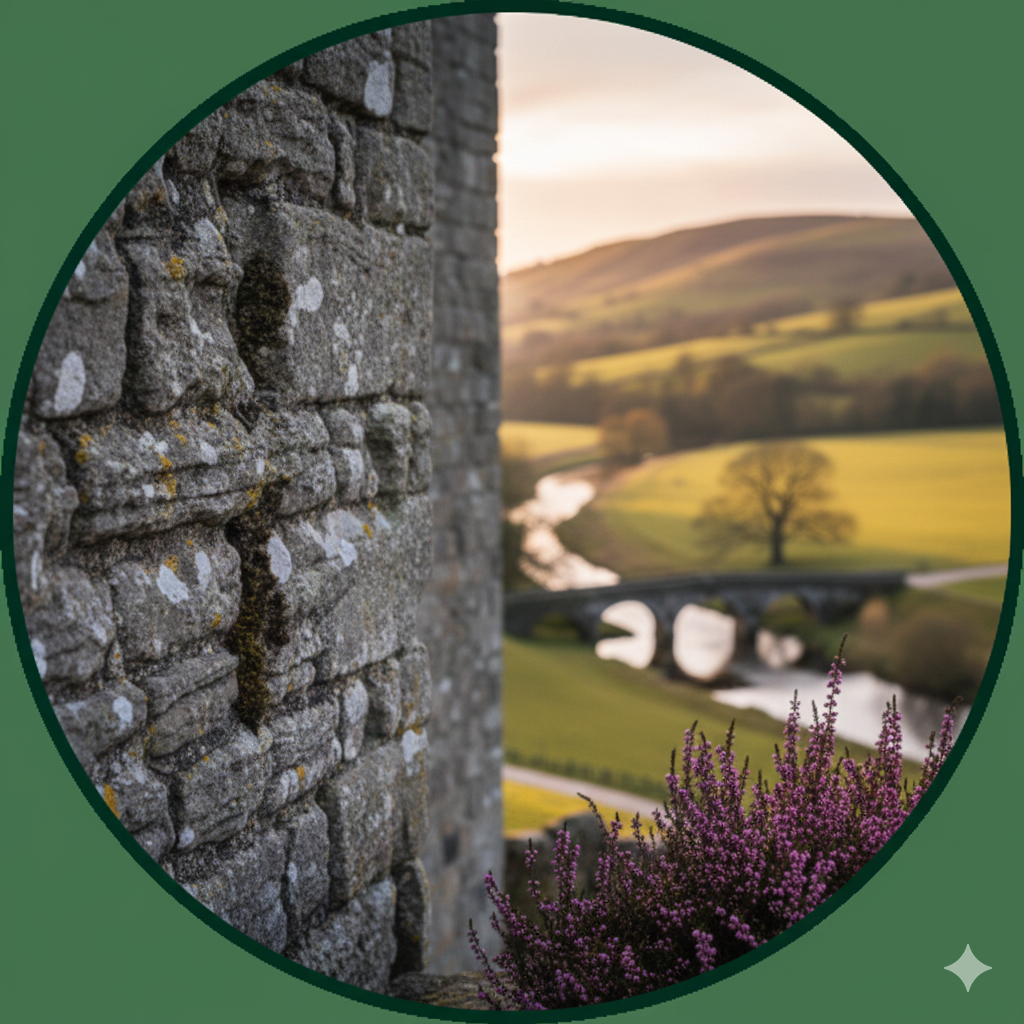
Stretching from the sophisticated market town of Clitheroe across the rugged, untamed landscapes of the Forest of Bowland—an Area of Outstanding Natural Beauty—the region offers a topographical diversity that is rare in such a concentrated area.
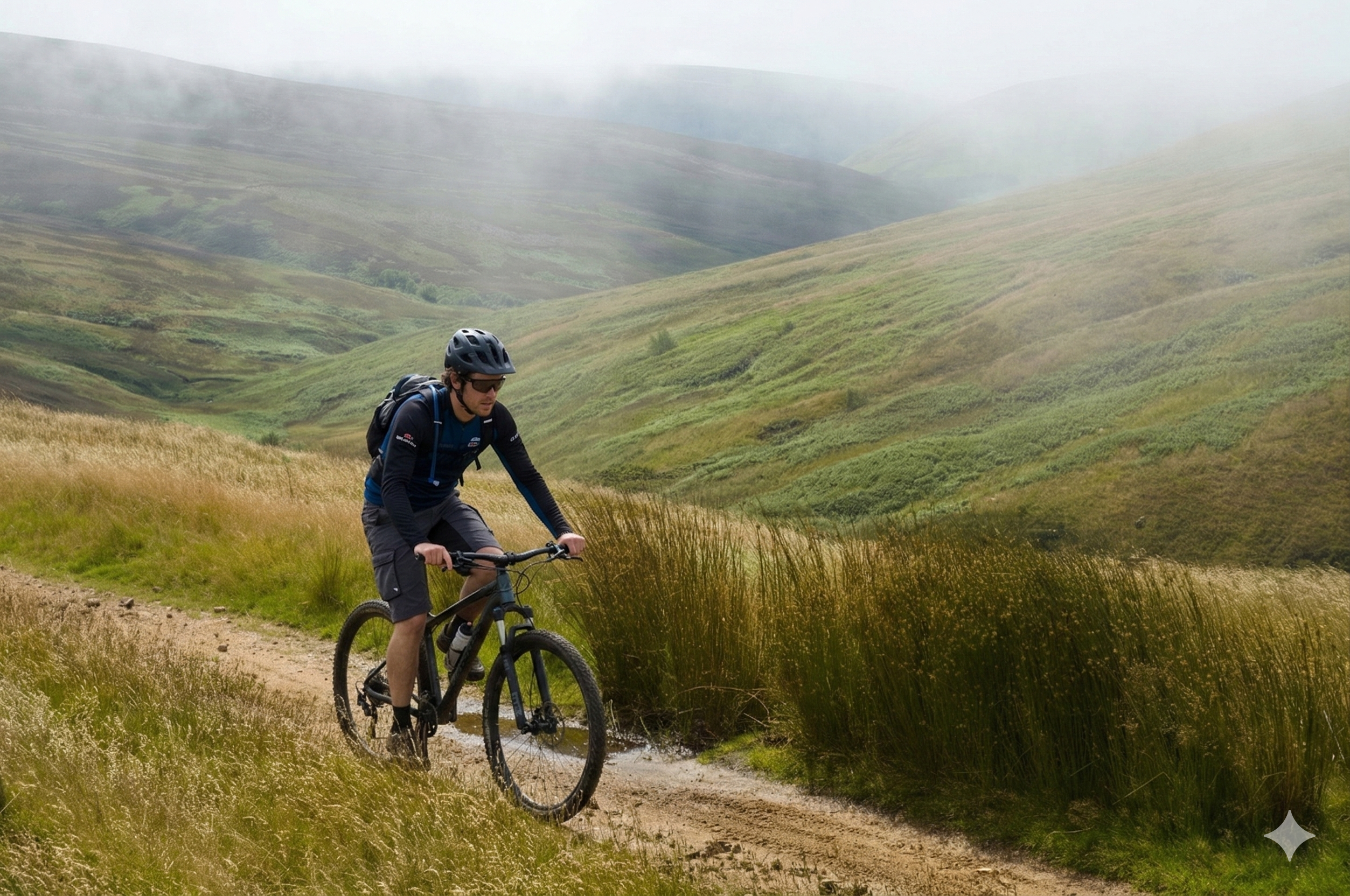
Whether you are seeking the flat, rhythmic pulse of riverside paths or the punishing, lung-bursting gradients of the Trough of Bowland, the valley provides a canvas for every type of rider.
What sets Ribble Valley cycling apart is the density of its network of quiet country lanes.
These “yellow roads” often see more sheep than cars, allowing cyclists to immerse themselves in a landscape of limestone scars, lush green pastures, and gritstone fells.
However, the terrain is deceptive; what looks like a gentle valley floor on a map often reveals a series of “short, sharp shocks”—steep undulations that test the legs of even seasoned club riders.
This guide breaks down the region into manageable segments, ensuring that whether you are a family with young children or a dedicated hill climber, you can navigate the Ribble Valley with confidence and local insight.
Easy and Family-Friendly Cycling Routes
For those riding with children or looking for a stress-free introduction to the area, the priority is avoiding heavy traffic and significant elevation.
While the Ribble Valley is inherently hilly, there are specific pockets where the gradients are kind.
The Edisford Bridge to Great Mitton Loop
This is a classic “starter” route for families. It utilizes the flatter sections of the valley floor near the River Ribble.
- Start/Finish: Edisford Bridge Car Park, Clitheroe (BB7 3LA).
- Distance: Approximately 5 miles (8 km).
- Elevation/Difficulty: Easy; mostly flat with minor rises.
- Surface Type: Tarmac (quiet lanes).
- Key Highlights: Views of the River Ribble, the medieval All Hallows Church in Mitton, and the Edisford riverbank.
- Traffic Considerations: Very light, though the B6243 can be busy near the bridge, so stick to the back lanes toward Mitton.
- Suitability: Excellent for children on their own bikes.
- Parking: Large pay-and-display car park at Edisford Bridge.
- Stop Suggestions: The Edisford Bridge Farm for ice cream or The Three Fishes in Mitton for a more formal mid-ride break.
The Longridge Heritage Trail (Sectional)
While the full trail includes some inclines, the sections around the town of Longridge provide stable, manageable riding for those staying on the western edge of the valley.
- Start/Finish: Longridge Town Centre.
- Distance: 3–4 miles (flexible).
- Elevation/Difficulty: Easy.
- Surface Type: Tarmac and well-maintained paths.
- Key Highlights: Local heritage boards explaining the town’s quarrying history.
- Parking: Barclay Road or central town car parks.
Off-Road and Traffic-Free Trails
If you prefer to remove cars from the equation entirely, the Ribble Valley hosts one of the UK’s most respected mountain biking hubs, alongside gentler gravel-style tracks.
Gisburn Forest: The Bottoms Beck Trail
Gisburn Forest is the jewel of Lancashire mountain biking. While it is famous for its technical “Big 8” red route, the Bottoms Beck trail is designed specifically for families and novices.
- Start/Finish: Gisburn Forest Hub, Stephen Park.
- Distance: 6 miles (9.5 km).
- Elevation/Difficulty: Moderate (Green/Blue grade). Some steady climbs but no technical rock gardens.
- Surface Type: Hard-packed forest gravel and fire roads.
- Key Highlights: Dense evergreen canopies, views over Stocks Reservoir, and the “Skill Area” near the start to practice balance.
- Traffic Considerations: Zero (completely traffic-free).
- Suitability: Perfect for older children and those new to off-road riding.
- Parking: Pay-and-display at the Gisburn Forest Hub.
- Stop Suggestions: The Hub Café on-site is a mecca for local riders, offering excellent coffee and cake.
Leisure and Traffic-Light Country Lane Routes
These routes are aimed at “Sunday riders”—those who want a decent distance (15–25 miles) without feeling like they are competing in a Grand Tour.
The Whalley to Hurst Green Circuit
This route explores the historic heart of the valley, passing through the grounds of Stonyhurst College, the inspiration for J.R.R. Tolkien’s Middle-earth.
- Start/Finish: Whalley Abbey/Whalley Village.
- Distance: 12 miles (19 km).
- Elevation/Difficulty: Moderate. There is a notable climb out of Whalley towards Mitton, but it levels off.
- Surface Type: Tarmac.
- Key Highlights: Whalley Viaduct (48 arches), the gates of Stonyhurst College, and the “Tolkien Trail” scenery.
- Traffic Considerations: Whalley can be congested; once you cross the bridge toward Great Mitton, traffic drops significantly.
- Suitability: Leisure cyclists and teenagers with road experience.
- Parking: Whalley village long-stay car park.
- Stop Suggestions: The Shireburn Arms in Hurst Green is perfectly positioned for a halfway rest.
The Slaidburn Loop (The Heart of Bowland)
Slaidburn is arguably the most beautiful village in the Ribble Valley. This loop takes you through the high pastoral lands of the Forest of Bowland.
- Start/Finish: Slaidburn Village Green.
- Distance: 15 miles (24 km).
- Elevation/Difficulty: Moderate. Expect rolling hills; there are no “flat” roads here.
- Surface Type: Tarmac (narrow lanes).
- Key Highlights: Hark to Bounty Inn, stone-built hamlets, and the Hodder Valley views.
- Traffic Considerations: Extremely low. You are more likely to encounter a tractor than a line of cars.
- Parking: Public car park in Slaidburn near the Hark to Bounty.
- Stop Suggestions: The Slaidburn Country Stores and Café is a legendary stop for cyclists in the region.
Moderate Scenic Rides
For intermediate cyclists who are comfortable with 30+ miles and some sustained climbing, these routes provide the best “effort-to-view” ratio.
The Clitheroe to Waddington and Newton Circuit
This route takes you over the famous “Waddington Fell,” a benchmark climb for local riders.
- Start/Finish: Clitheroe Castle.
- Distance: 22 miles (35 km).
- Elevation/Difficulty: Intermediate. Waddington Fell is a long, steady drag but the descent into Newton is spectacular.
- Surface Type: Tarmac.
- Key Highlights: Panoramic views from the top of Waddington Fell looking back toward Pendle Hill.
- Traffic Considerations: The climb up the fell can have some fast-moving traffic; caution is advised on the descent due to tight bends and occasional gravel wash.
- Parking: Chester Avenue car park, Clitheroe.
- Stop Suggestions: The Parkers Arms in Newton-in-Bowland is award-winning and highly cyclist-friendly.
Challenging Hill Climbs and Road Cycling Routes
The Ribble Valley is a training ground for professional cyclists. If you are looking to test your power-to-weight ratio, these climbs are essential.
The “Big Three” Challenge: Pendle, Jeffrey Hill, and The Trough
A serious day in the saddle for road cycling enthusiasts, focusing on the steep escarpments that define the valley’s borders.
- Start/Finish: Whalley or Clitheroe.
- Distance: 50–60 miles (80–100 km).
- Elevation: 1,500m+ of total ascent.
- Climb 1: Nick o’ Pendle. Starting from Sabden, this is a classic “Category 4” climb with gradients hitting 10–12%.
- Climb 2: Jeffrey Hill. Accessed from Longridge, this climb offers a brutal incline with a reward of the best views in the county across the Fylde Coast and even the Lake District on clear days.
- Climb 3: The Trough of Bowland. While technically just outside the valley’s central basin, it is the spiritual home of Lancashire road cycling. A long, winding pass between high fells.
- Surface Type: High-quality tarmac, though often narrow.
- Traffic Considerations: Pendle can be busy at weekends; Jeffrey Hill is generally very quiet.
- Suitability: Experienced road cyclists with appropriate gearing (compact chainsets recommended).
Planning Your Cycling Trip in Ribble Valley
To get the most out of your ride, tactical planning is essential. The Ribble Valley is beautiful but can be unforgiving if you are unprepared for the conditions.
Best Time of Year
The months from May to September offer the most reliable conditions. However, the valley is stunning in autumn.
Be aware that during winter months, the higher passes (like Waddington Fell and the Trough) can hold ice and frost long after the valley floor has thawed.
Road Safety and Rural Lanes
The “quiet” lanes of the Ribble Valley require a specific type of vigilance:
- Blind Bends: Many lanes are single-track with high hedgerows. Always ride at a speed where you can stop in the distance you can see.
- Agricultural Traffic: This is a working landscape. Expect mud on the road in autumn and large tractors year-round.
- Livestock: Cattle grids are common on the higher moorland roads. Cross them at a 90-degree angle and avoid braking while on the metal.
Equipment Recommendations
- Gearing: Even for leisure rides, ensure your bike has low enough gears. A “standard” road double (53/39) is often too much for the 15% gradients found on the back lanes of Downham.
- Tyres: For most road routes, 28mm or 32mm tyres provide the necessary comfort on some of the coarser chip-and-seal surfaces. For Gisburn Forest or the gravel tracks, a dedicated mountain bike or gravel bike with at least 40mm tyres is advised.
- Repair Kit: Mobile signal can be patchy in the deeper valleys of the Forest of Bowland. Carry two spare tubes, a multi-tool, and a high-volume pump.
The Countryside Code
Much of the valley is private farmland. Stick to designated bridleways and roads. If you encounter horse riders on the lanes, give them a wide berth and call out “Hello” well in advance to avoid startling the animal.
The Ribble Valley is more than just a collection of roads; it is a cycling ecosystem that caters to every conceivable level of ambition.
From the gentle, sun-dappled lanes of the valley floor that welcome families and casual tourists, to the windswept, epic proportions of the Forest of Bowland that challenge the elite, the variety is staggering.
The region’s true charm lies in its accessibility. Within a few miles, you can transition from a vibrant village café in Whalley or Clitheroe to a position of absolute solitude on a moorland pass.
By choosing the right route and preparing for the unique demands of Lancashire’s geography, you will discover why this area remains a cornerstone of British cycling culture.
Ride responsibly, respect the local community, and take the time to look up from your handlebars—the views are some of the finest in England.