There is a specific kind of quiet that exists in the village of Waddington.
It isn’t the silence of isolation, but rather the contented hum of a community that has perfected the art of slow living.
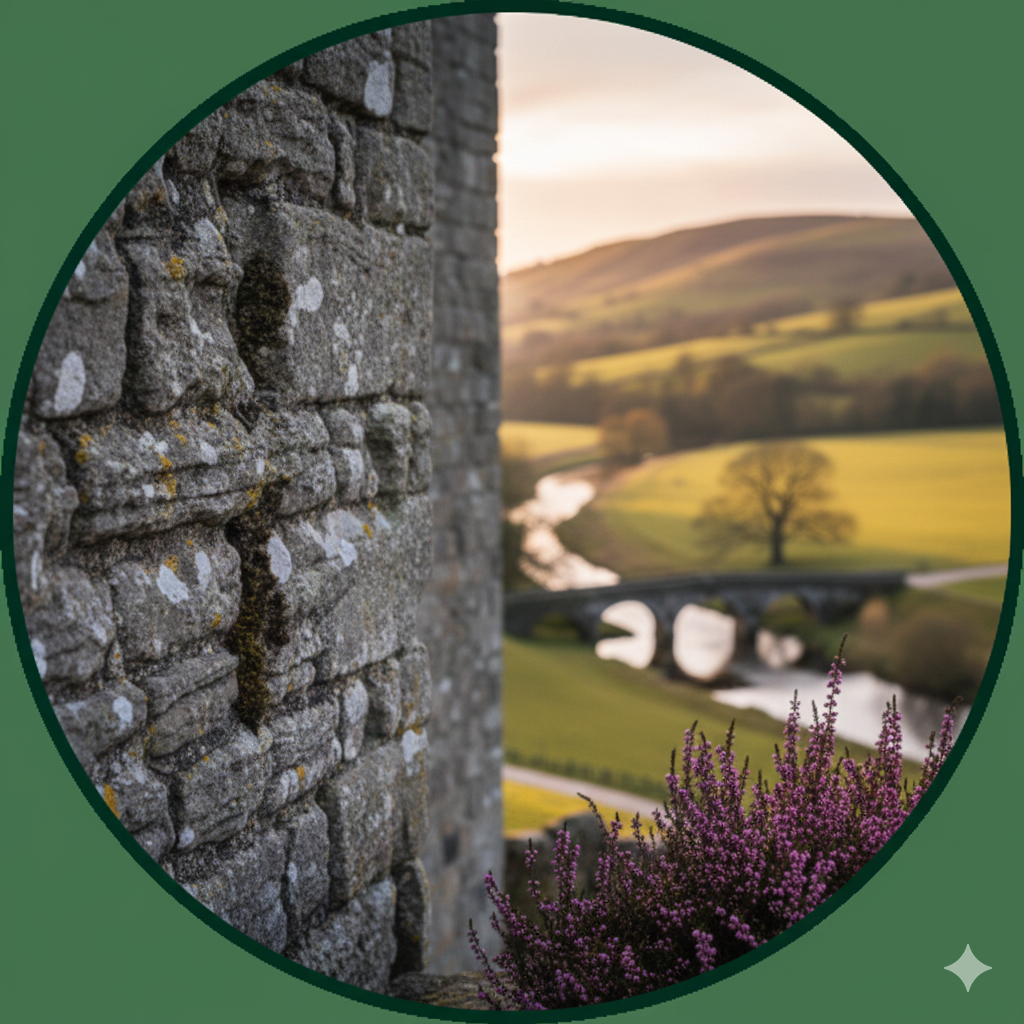
As you cross the narrow stone bridge over the bubbling brook that bisects the village, the modern world—with its motorways and frantic schedules—seems to dissolve into the damp, green fells of Lancashire.
Often cited as one of the prettiest villages in England, Waddington near Clitheroe is more than just a collection of postcard-perfect limestone cottages.
It is a place where the air smells of woodsmoke and wild garlic, where the gardens are tended with a competitive yet quiet pride, and where history isn’t tucked away in a museum but lived in every day.
Whether you are a hiker seeking the rugged trails of the Forest of Bowland or a traveler looking for the ultimate Sunday roast, Waddington offers a quintessential English experience that feels both curated and entirely authentic.
A Tapestry of History: From Royal Refuges to Alms-houses
To understand Waddington, one must look at its stones. The village has been a focal point of the Ribble Valley for centuries, and its layout still reflects its medieval roots.
Perhaps its most famous historical footnote involves King Henry VI. Following the Battle of Hexham in 1464, the deposed king spent a year in hiding at Waddington Hall.
His eventual capture at the hall by Yorkist supporters is a local legend, marking a dramatic chapter in the Wars of the Roses.
While the Hall remains a private residence, the village’s heritage is visible at every turn. St Helen’s Church, with its commanding square tower, has stood as a spiritual anchor since at least the 13th century, though much of the current structure dates to a Victorian restoration.
Stepping inside, the cool, hushed atmosphere offers a moment of reflection, with stained glass that casts fractured light across ancient pews.
Just a short stroll from the church, you will find the Waddington Hospital Alms-houses. Founded in 1700 by Robert Parker, these beautiful buildings continue to provide housing for the elderly, framed by impeccably manicured communal gardens.
It is this continuity—the fact that 300-year-old charities are still functioning in their original brick-and-mortar homes—that gives the village its profound sense of stability.
The Gateway to the Ribble Valley
Location is everything, and Waddington sits in a geographical “sweet spot.” It is located just two miles from the bustling market town of Clitheroe, making it easily accessible, yet it feels worlds apart from the town’s busy high street.
The village serves as a natural gateway to the Forest of Bowland, an Area of Outstanding Natural Beauty (AONB).
From the village centre, the land rises gently toward Waddington Fell. If you make the climb—or the short drive—to the top of the fell, you are rewarded with a panoramic view that captures the Ribble Valley in its entirety.
On a clear day, you can see the distinctive hump of Pendle Hill looming to the east, a constant reminder of the region’s folklore and “witch” trials, while the Yorkshire Dales shimmer on the northern horizon.
Culinary Heritage: The Holy Trinity of Pubs
For many, things to do in Waddington begin and end with its exceptional pub culture. The village is home to three distinct establishments, each offering a different facet of Lancashire hospitality.
- The Waddington Arms: Situated in the heart of the village, this is the social hub. With its sprawling beer garden and ivy-clad exterior, it is the perfect spot for a crisp pint of local ale after a walk. The interior is a maze of wood-beamed ceilings and roaring fires, serving hearty food that champions Lancashire produce.
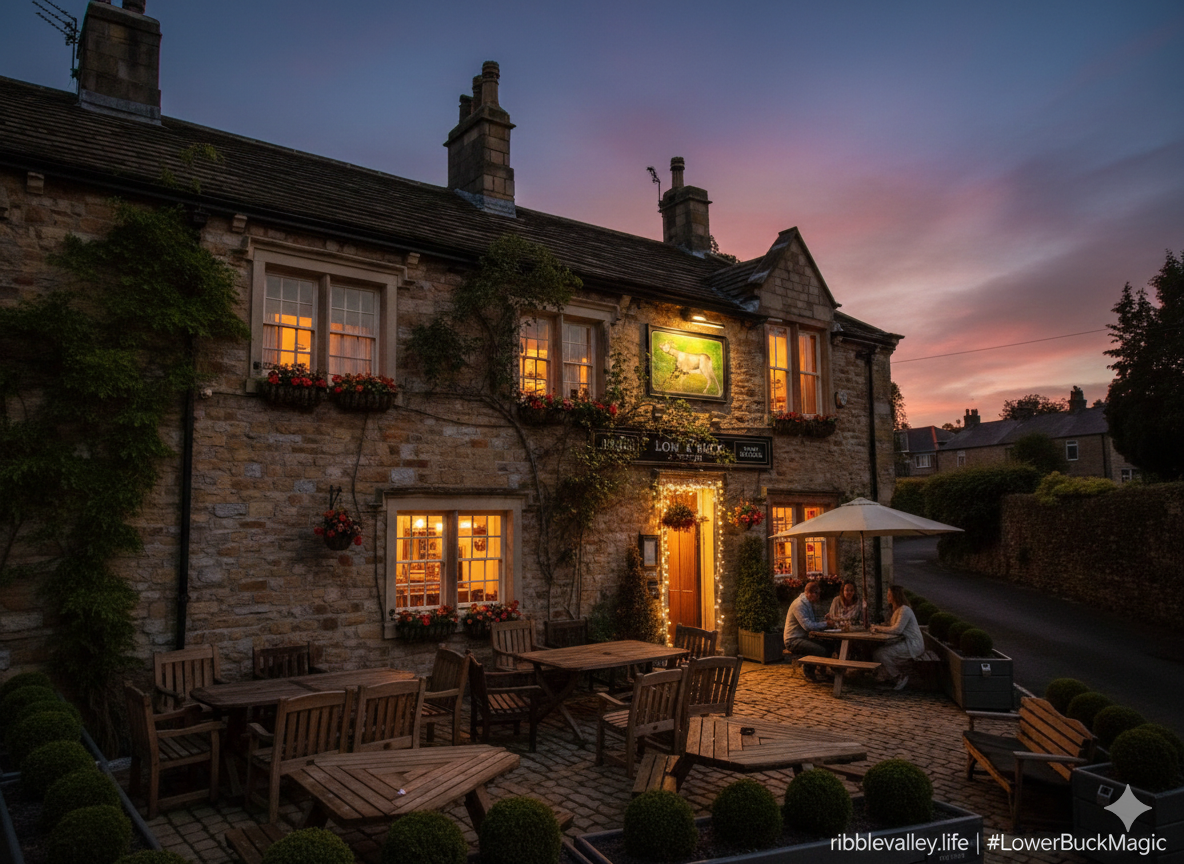
- The Lower Buck: If you are looking for a more intimate, traditional “local” feel, The Lower Buck is unparalleled. Known for its welcoming atmosphere and excellent kitchen, it manages to feel like a hidden gem even though it sits right on the main thoroughfare.
- The Higher Buck: Completing the trio, this gastropub has earned a reputation for culinary excellence. It’s the kind of place where you can find locally sourced game and refined twists on British classics, making it a destination for foodies from across the county.
The “Waddington Shuffle”—a gentle crawl between these three institutions—is a rite of passage for visitors and a Sunday afternoon staple for residents.
Wandering Through Waddington: Trails and Sensory Delights
The best way to experience Waddington Lancashire is on foot.
The village is famous for its floral displays; it has won “Britain in Bloom” awards so many times that the trophy cabinet must be overflowing.
In the spring and summer, the Coronation Gardens are an explosion of colour, with the scent of lavender and roses drifting on the breeze.
For those seeking a more vigorous stretch of the legs, there are numerous walking routes:
- The Riverside Ramble: A gentle path follows the River Ribble, offering glimpses of kingfishers and the rhythmic sound of water over stones.
- The Fell Loop: For the more adventurous, the hike up to the viewpoint on Waddington Fell provides a rugged contrast to the manicured village below. The terrain changes from lush meadows to moorland, accompanied by the lonely cry of the lapwing.
- The Clitheroe Connection: A well-marked path leads back toward Clitheroe, passing through ancient woodland and offering stunning views of Clitheroe Castle perched on its limestone outcrop.
The atmosphere here is sensory and rich. It’s the crunch of gravel underfoot, the distant chime of the church bells, and the sight of smoke curling from chimneys against a bruised-purple Lancashire sunset.
A Living Community: Life in the Village
Waddington is far from a “museum village” that shuts down when the tourists leave. It is a vibrant, living community.
Throughout the year, the village hall and the local primary school play host to fairs, coffee mornings, and seasonal events.
The Waddington Duck Race is a particular highlight, where hundreds of yellow plastic ducks are released into the brook, cheered on by locals and visitors lining the bridges.
It is a quintessentially British scene—slightly eccentric, immensely joyful, and deeply rooted in a sense of togetherness.
This community spirit is perhaps why Waddington is so highly coveted as a place to live; it offers a safety and a “neighbourliness” that is increasingly hard to find.
Why Waddington Remains Unforgettable
So, why visit? Or better yet, why stay? Waddington represents the best of the Ribble Valley village ideal.
It offers a bridge between the physical beauty of the Lancashire landscape and a deep-seated historical narrative.
It provides the luxury of high-end dining alongside the simple pleasure of a riverside walk.
For the visitor, it is a sanctuary. For the resident, it is a proud home.
It is a place that demands you slow down, breathe deeply, and appreciate the craftsmanship of a dry-stone wall or the perfect pour of a local bitter.
In a world that often feels hurried and homogenized, Waddington remains stubbornly, beautifully itself.
From the royal shadows of Waddington Hall to the bright petals of the Coronation Gardens, it is a village that celebrates its past while warmly embracing the present.
Whether you come for the history, the hiking, or the hospitality of its famous pubs, you will find that Waddington doesn’t just meet expectations—it lingers in the memory long after you’ve crossed the bridge back to reality.