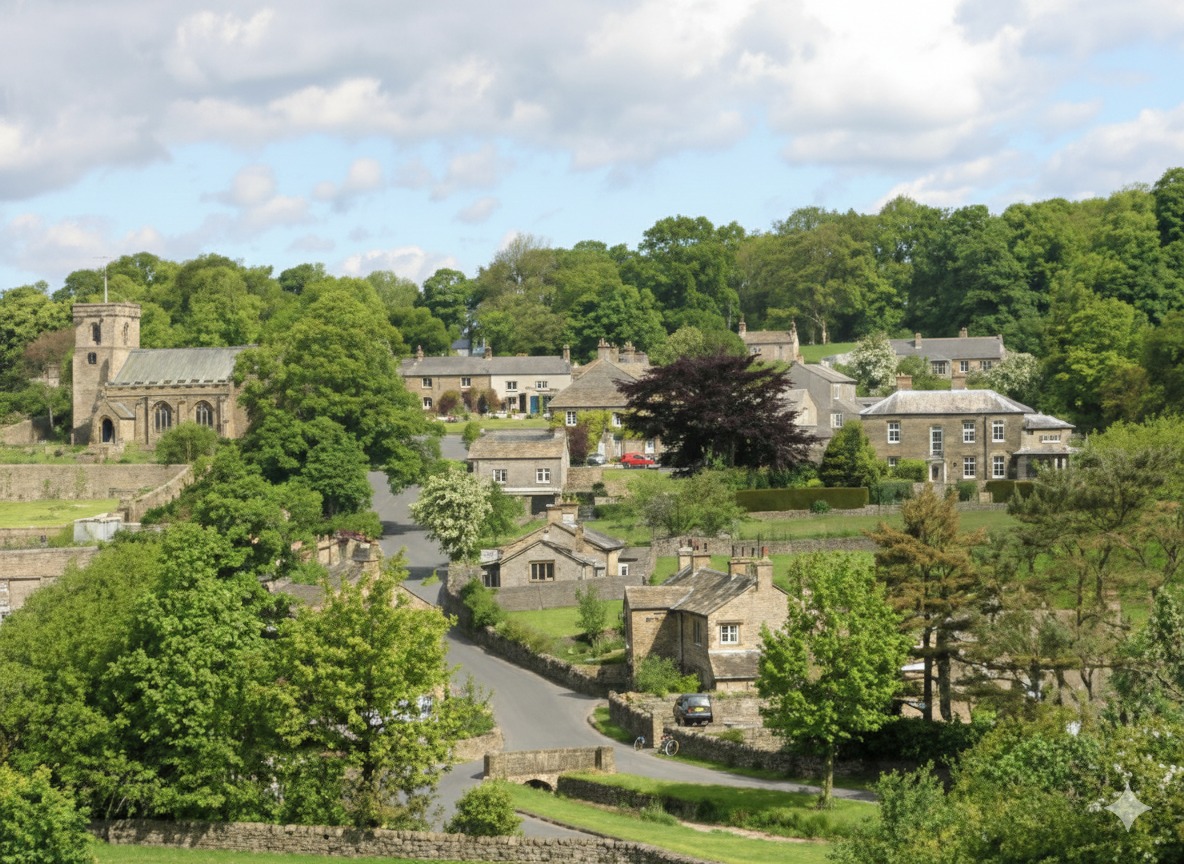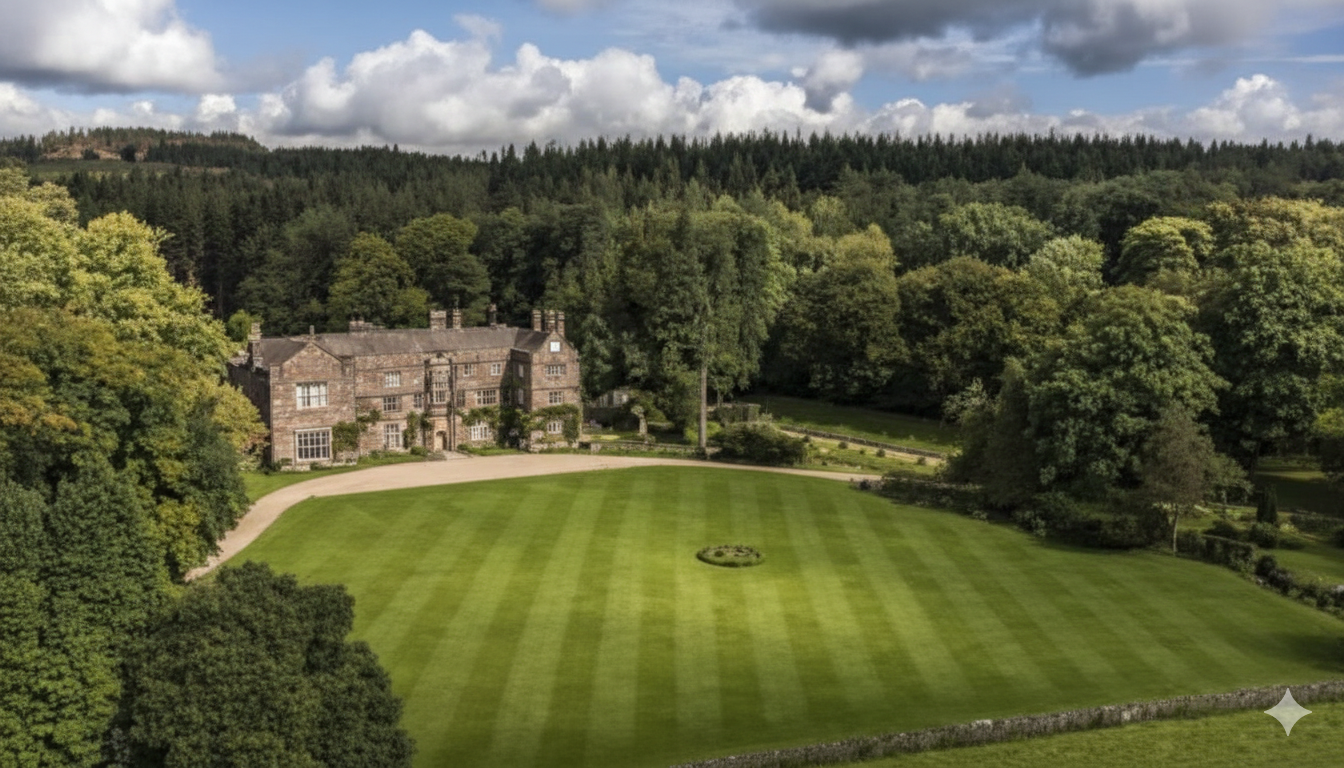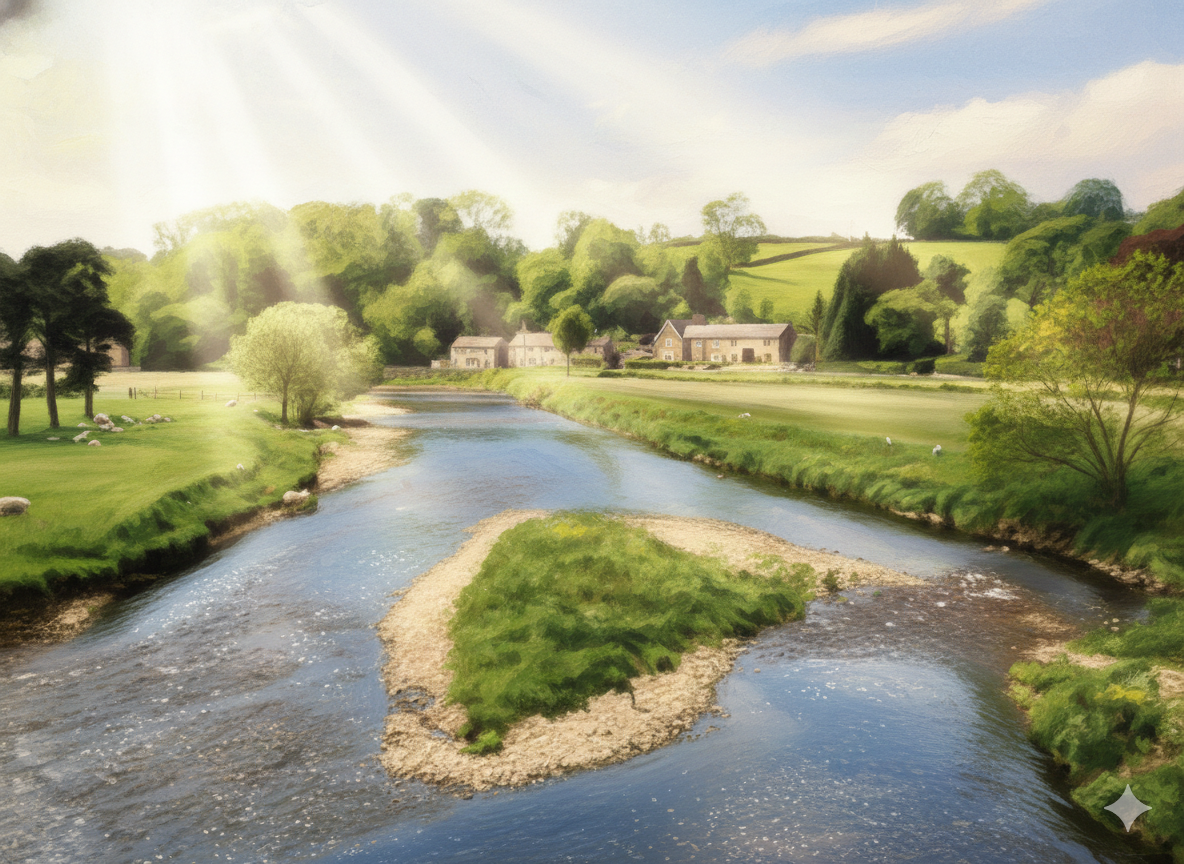
History in the Ribble Valley isn’t confined behind velvet ropes or locked inside climate-controlled display cases; it is physically woven right into the landscape.
From the defensive limestone outcrops that hold Norman keeps to the damp riverbanks that once sustained wealthy monastic orders, the past here is something you can reach out and touch.
Our list of Ribble Valley historic sites is designed to help you step out of the abstract timelines of textbooks and into the physical spaces where Lancashire’s history was forged.
The Tangible Experience of the Past
When you explore the valley’s heritage sites, you are engaging with the raw materials and the grueling physical labor of the people who came before us. Here is what you can expect to encounter:
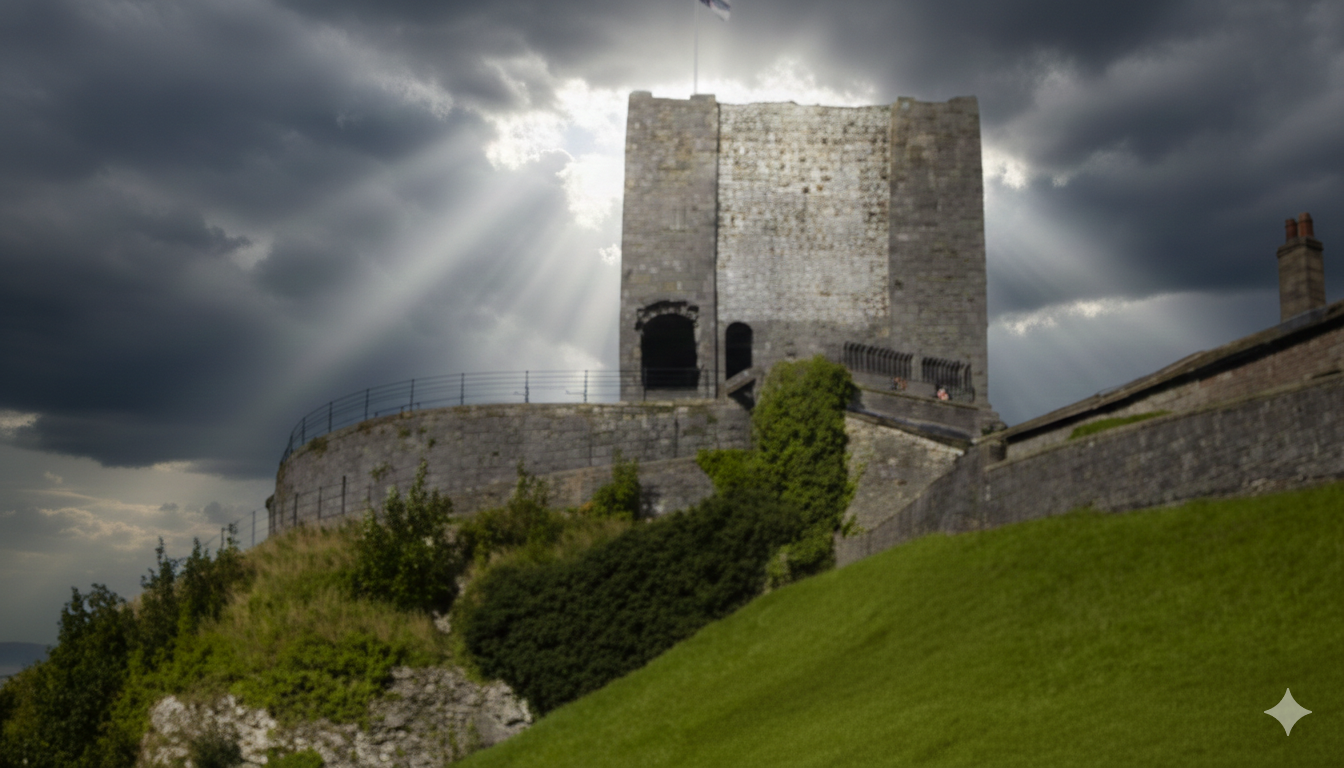
- Norman Military Might: At sites like the 12th-century Clitheroe Castle, you can feel the strategic dominance of the landscape. Standing at the top of the steep, 20-foot-square stone keep, the biting wind and the sweeping views across the valley floor immediately communicate exactly why this specific limestone mound was chosen to project Norman power.
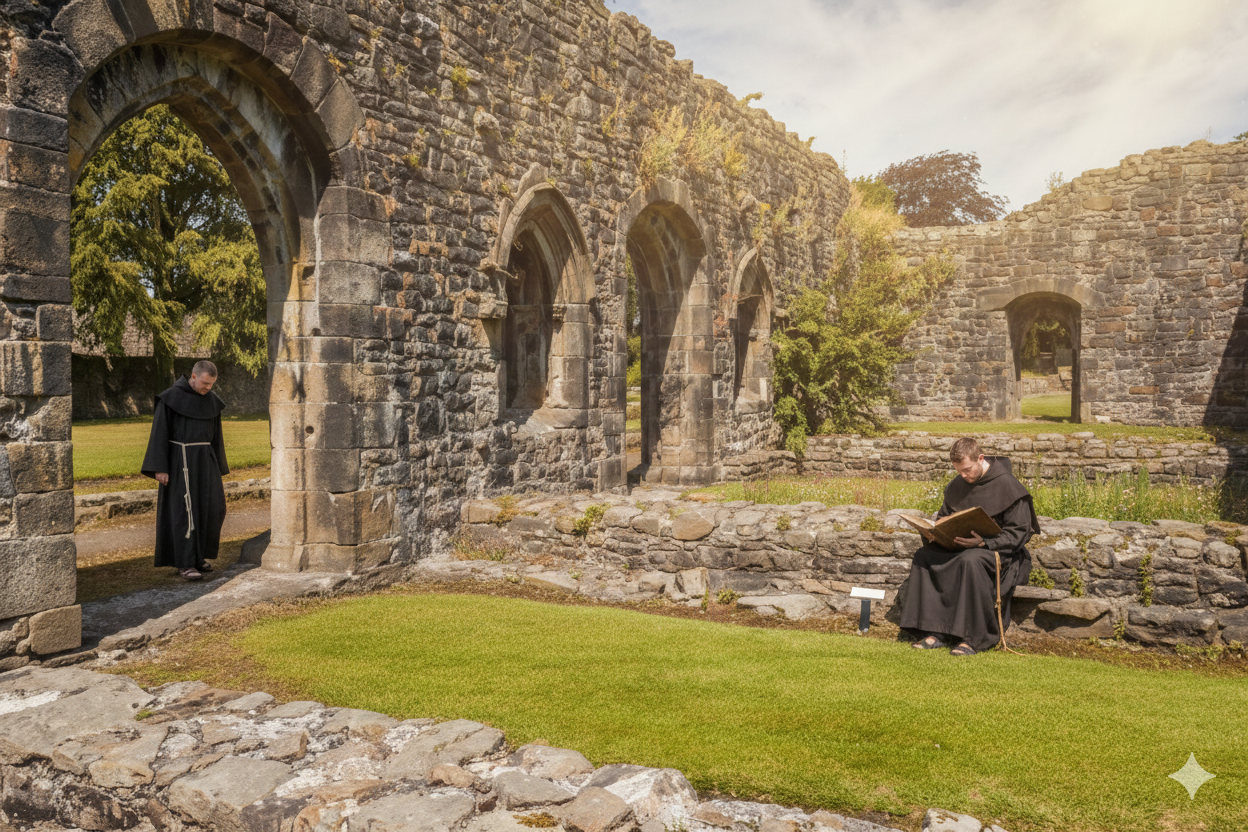
- Monastic Devotion & Ruin: The remains of Whalley Abbey and Sawley Abbey offer a stark contrast between immense wealth and abrupt destruction. Running your hands over the surviving stone carvings of the cloisters or standing in the rare, acoustically designed choir pits at Whalley grounds the abstract concept of medieval Cistercian life into a cold, heavy, and awe-inspiring reality.
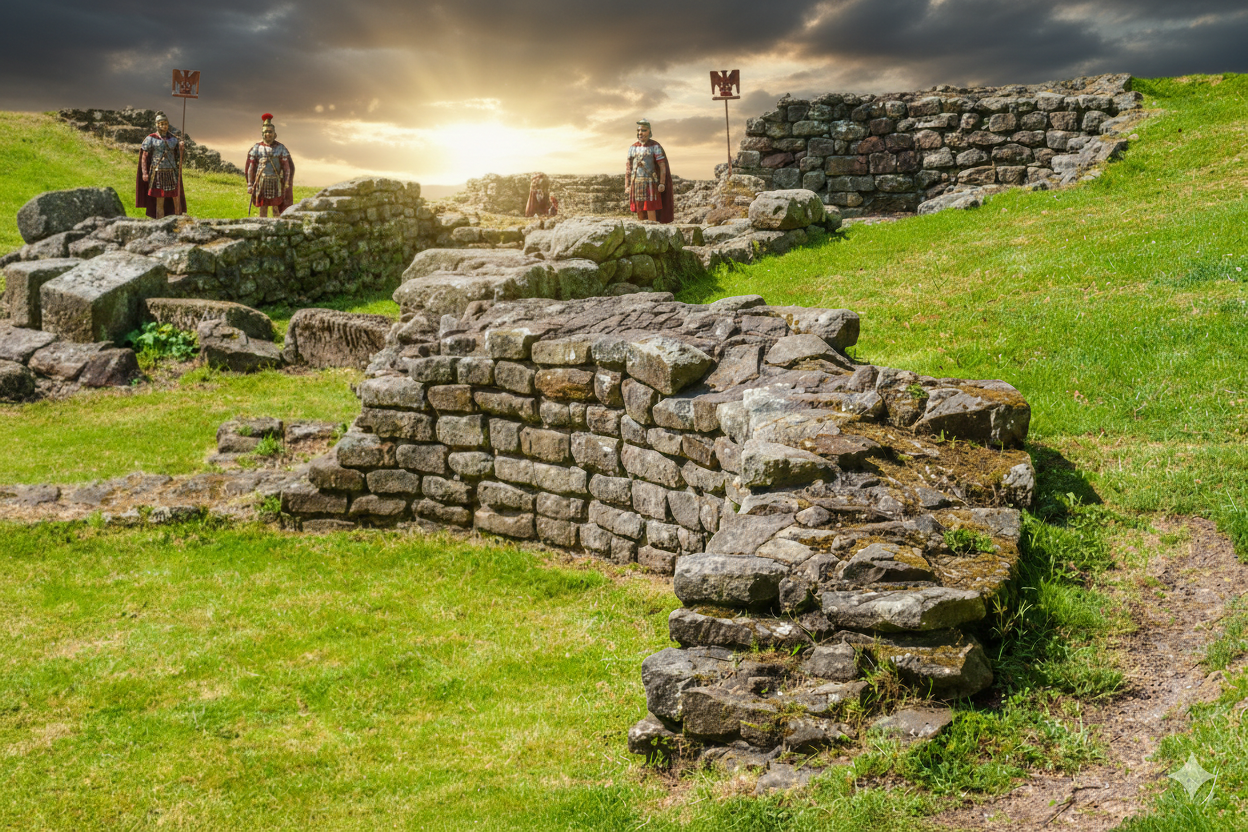
- Roman Frontiers: At the Ribchester Roman Bathhouse, the damp Lancashire climate suddenly makes sense of the complex, underfloor hypocaust heating systems built by homesick soldiers holding the northern edge of an empire.
A Practical Visitor’s Guide
To safely and fully experience the valley’s deep history, keep these practical details in mind before you set out:
- Footwear for Ruins: Many of our most profound historic sites are situated on uneven ground, wet grass, or active riverbanks. The ancient stones of packhorse bridges and abbey foundations are notoriously slippery when wet. Sturdy, flat walking boots with good grip are essential.
- Combine History with Hospitality: The Ribble Valley perfectly integrates its heritage with its modern reputation for exceptional food. Plan your visits strategically. A morning exploring the monastic ruins at Whalley is best followed by lunch at one of the village’s historic coaching inns, allowing you to warm up by an open fire just as travelers have done for hundreds of years.
- Layer Up for Elevated Sites: Castles and upland ruins were built in highly exposed areas for defensive reasons. Even on a bright, still day down in the valley basin, the wind chill at the top of Clitheroe Castle or the surrounding Bowland fells can be significant. Always pack a windproof layer.