Nestled at the foot of Whalley Nab and flanked by the River Calder, Whalley is more than just a picturesque stop-over.
It is a village of contrasts: where 14th-century monastic silence meets the hum of modern wine bars, and where the industrial grit of a massive brick viaduct frames a backdrop of “Britain in Bloom” award-winning floral displays.
Here is why Whalley deserves a spot on your Ribble Valley itinerary.
1. The Spiritual Soul: Whalley Abbey
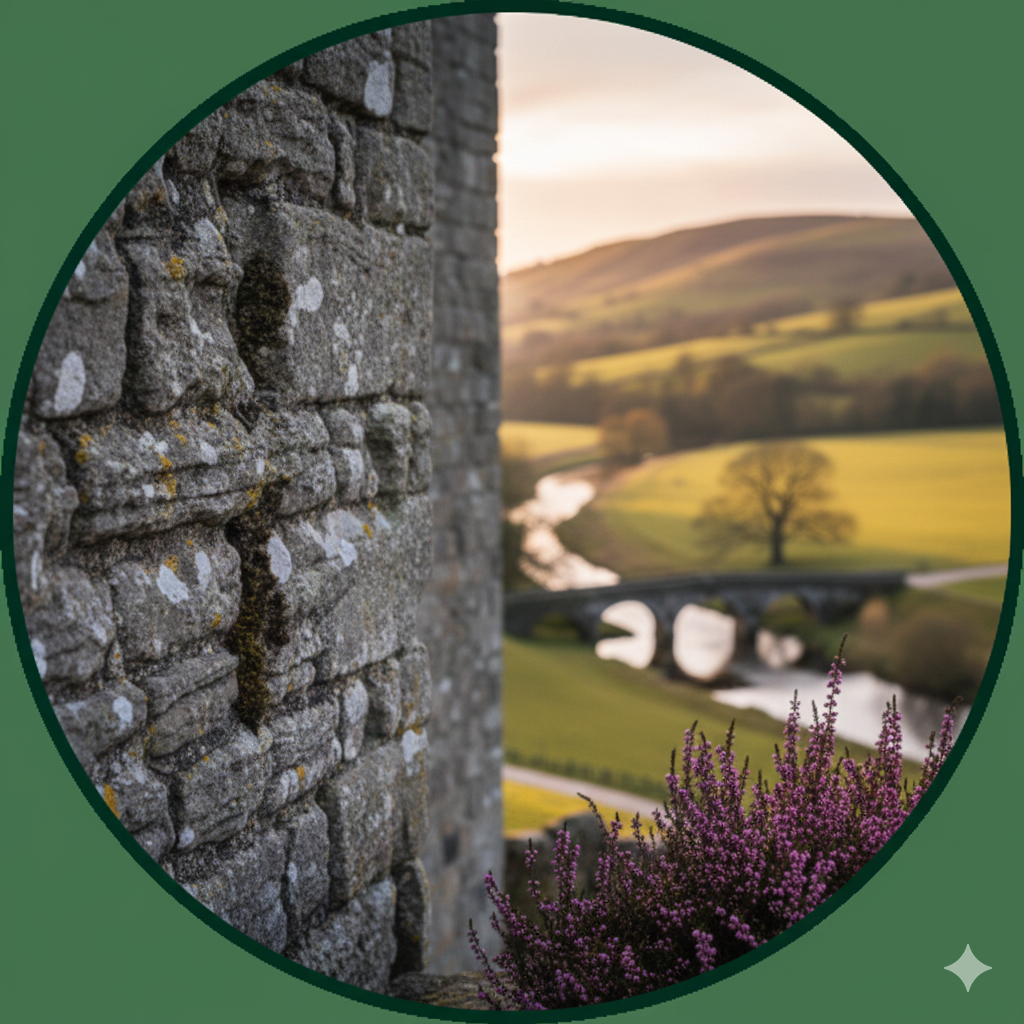
The village’s primary historical draw is Whalley Abbey. Founded in the 14th century, these Cistercian ruins offer a tangible link to the past.
- The Experience: Unlike more manicured ruins, Whalley Abbey feels lived-in. You can wander through the remains of the church and cloister, then visit the 17th-century manor house built from the Abbey’s stones.
- Expert Tip: Don’t just look at the ruins. Visit the Abbey Tea Room for a “Monk’s Lunch” or take a moment of reflection in the quiet gardens. It is one of the few places in the North where you can still feel the scale of monastic life.
2. The Architectural Giant: Whalley Viaduct
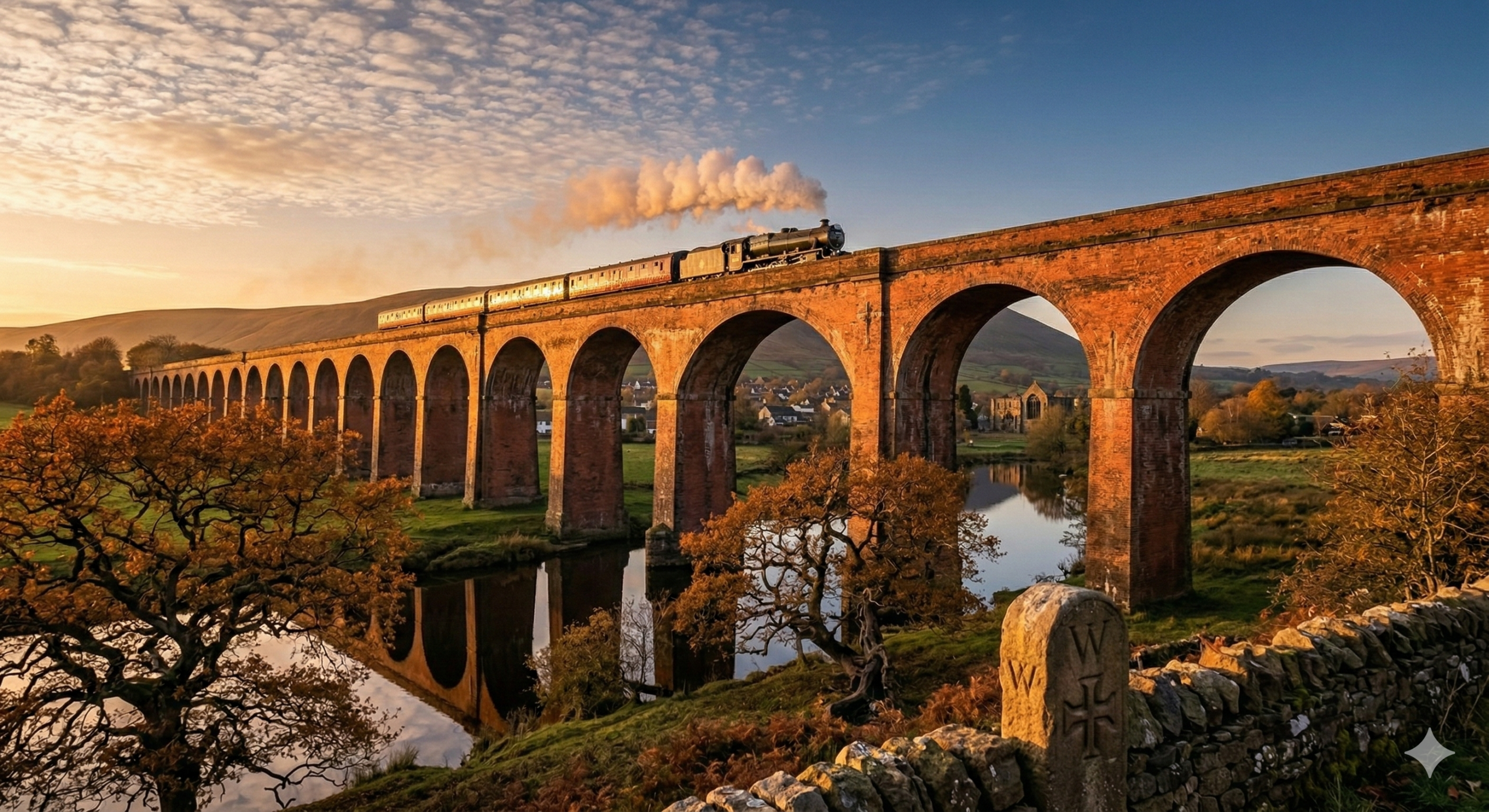
You cannot miss the Whalley Viaduct. Completed in 1850, it is the longest brick-built structure in Lancashire, boasting 48 magnificent arches.
- The View: For the best perspective, walk along the River Calder near the Abbey. The sight of the red-brick arches towering over the water, often with a steam train or local rail service passing above, is a photographer’s dream. It serves as a reminder of the Victorian ambition that bridged this rural landscape with the industrial north.
3. A Premier Shopping Destination
Whalley has avoided the “clone town” fate of many English villages. It is a hub for independent retail, attracting visitors from across the county.
- Fashion & Lifestyle: From the designer rails at Precious at Whalley to exquisite jewellers, the village caters to a sophisticated crowd.
- The Specialist: Whalley Warm & Dry is a legendary institution. Hikers travel from all over the UK for their specialist boot-fitting service—essential if you plan on tackling the nearby fells.
4. The “Foodie” Capital of the Valley
While Clitheroe has the market, Whalley has the “vibe.” The village comes alive in the evening with a density of high-quality eateries and bars that is rare for a settlement of this size.
- Artisan Ribble Valley: A celebration of Lancashire pride, focusing on local produce and “farm-to-fork” ethics.
- The Gastropub Elite: Nearby, you’ll find The Three Fishes in Mitton (a project by Michelin-starred Nigel Haworth) and The Aspinall Arms, which offers riverside views that are hard to beat on a summer afternoon.
- Café Culture: The village is dotted with independent bistros, perfect for a slow brunch before a walk up the Nab.
5. Into the Green: Whalley Nab and Spring Wood
If the boutiques get too busy, Whalley’s natural side is only a five-minute walk away.
- Spring Wood: A semi-natural ancient woodland dating back to before 1600. It’s famous for its bluebells in the spring and is a rare survivor of the monastery-owned lands that escaped agricultural clearing.
- The Nab: For those with sturdy boots, a hike up Whalley Nab offers a panoramic view of the village, the viaduct, and the winding River Calder. It’s the best way to see the geography of the valley in one sweep.
The Visitor’s Practical Guide
| Category | Recommendation |
| Best Time to Visit | Late Spring (for Spring Wood bluebells) or December (for the famous Whalley Pickwick Night). |
| Getting There | Whalley has its own train station on the Ribble Valley line, making it easily accessible from Manchester and Blackburn. |
| Parking | There is a large pay-and-display car park off the main street, but it fills up fast on Saturdays. |
| Hidden Gem | The St Mary and All Saints Church, which houses three 10th-century Anglo-Saxon stone crosses in the churchyard. |
The Verdict: Is it worth it?
Whalley is worth visiting if you appreciate a destination that offers “content.” You aren’t just going for a walk; you’re going for a 14th-century history lesson, a world-class meal, a bit of high-end retail therapy, and a view of one of the finest railway structures in the country.
It is the Ribble Valley at its most polished—sophisticated, historic, and undeniably Lancastrian.