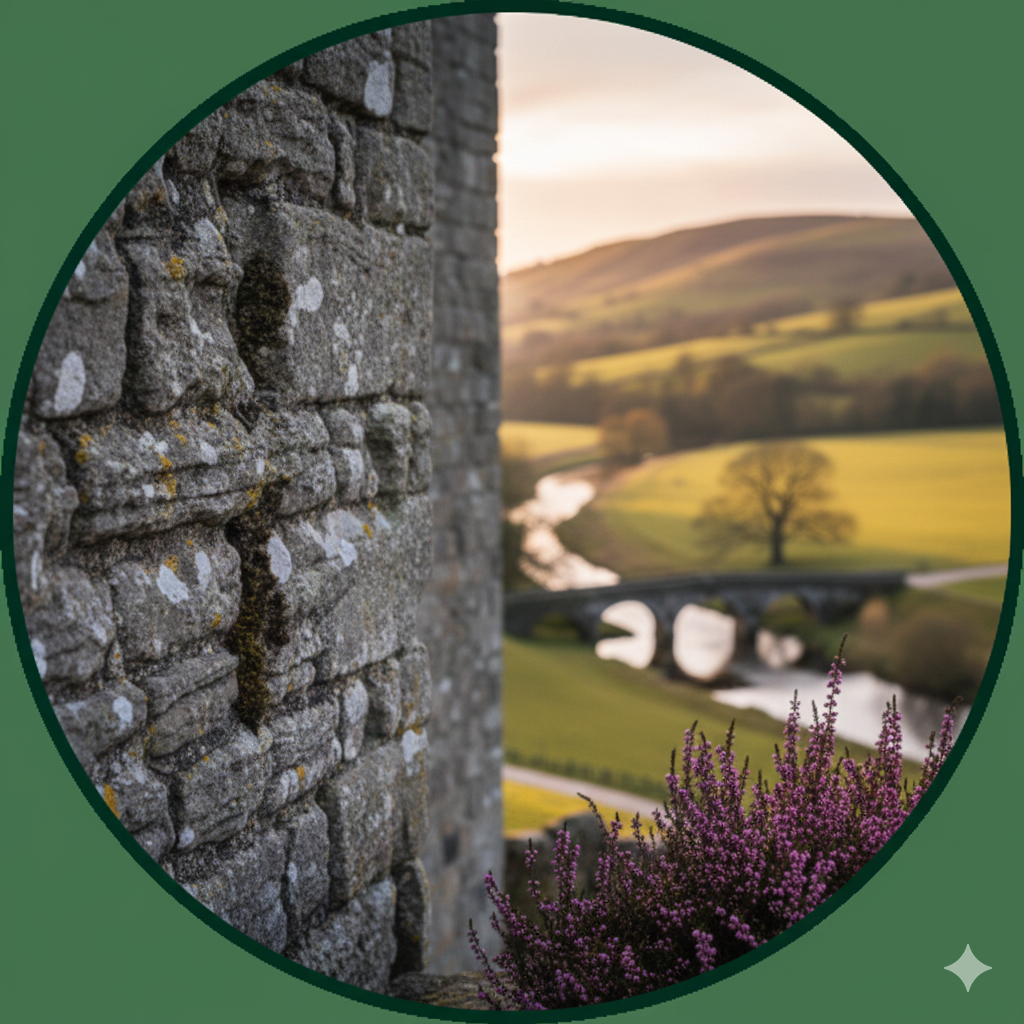
The Ribble Valley’s reputation as a premier food destination is built on its unique geography.
The limestone-rich soil of the Hodder and Ribble basins produces exceptional grazing land, which in turn creates world-class dairy and meat.
If you are looking to experience the authentic taste of the valley, this guide outlines the essential items to add to your culinary itinerary.
1. The Trio of Lancashire Cheeses
Unlike many regions that produce a single style of cheese, Lancashire is famous for three distinct “proportions” based on how long the curd is aged.
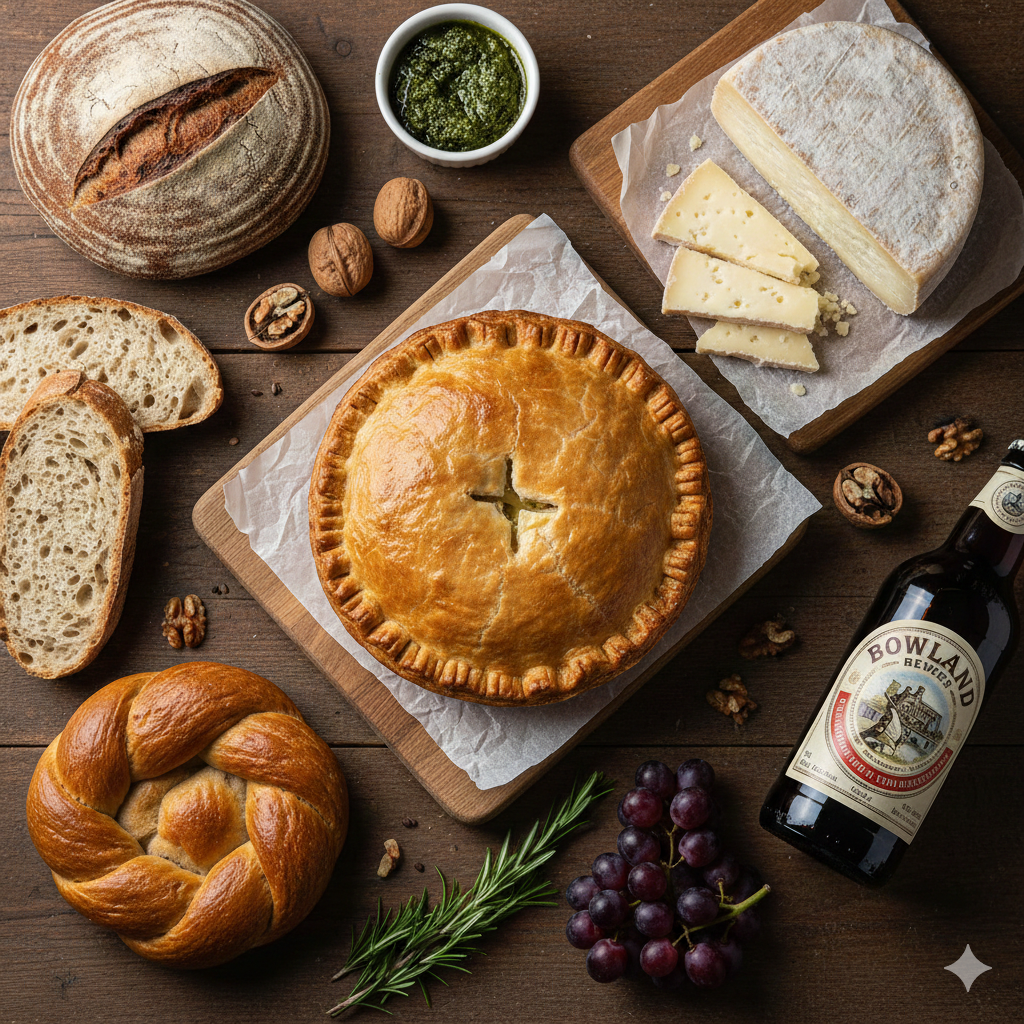
- Creamy Lancashire: A fluffy, buttery cheese aged for 4–12 weeks. It is unparalleled for melting—try it on “Lees” (Lancashire oatcakes).
- Tasty Lancashire: Aged for up to 24 weeks, this has a nutty, sharp profile similar to a high-end cheddar but with a more friable texture.
- Crumbly Lancashire: A younger, lactic cheese with a bright, zingy finish.
- Where to Buy: Visit The Courtyard Dairy near Settle (just on the edge of the valley) or Bowland Food Hall in Clitheroe. Look specifically for Mrs. Kirkham’s—the last remaining producer of raw-milk, cloth-bound Lancashire cheese.
2. Lonk and Rough Fell Lamb
The Ribble Valley encompasses parts of the Forest of Bowland, where hardy sheep breeds like the Lonk and Rough Fell graze on heather and wild grasses. This results in a leaner, more “gamey” flavour than lowland lamb.
- What to look for: Look for “Bowland Lamb” on seasonal menus. It is at its best from late summer through autumn.
- Where to Eat: The Parkers Arms (Newton-in-Bowland) is famous for its charcoal-grilled local lamb and legendary pies.
3. The Traditional Butter Pie
Unique to the Catholic areas of Lancashire (including much of the Ribble Valley), the Butter Pie—sometimes called a “Friday Pie”—contains no meat.
It is a simple, highly seasoned mix of potatoes, onions, and significant amounts of butter encased in shortcrust pastry.
- Where to find it: Local independent bakeries are the best source. Try Stansfields on Castle Street, Clitheroe or visit the food hall at Holmes Mill for some great choices.
4. Foraged Flavours: Game and Wild Food
Because much of the Ribble Valley remains unspoiled woodland and moorland, game is a seasonal highlight.
- What to try: Venison from the local estates, Wood Pigeon, and Pheasant. In spring, keep an eye out for dishes featuring wild garlic, which carpets the banks of the River Ribble and the Toll Bar woods.
- Where to Eat: The Freemasons at Wiswell specializes in incorporating foraged ingredients and local game into high-end gastropub dishes.
5. Heritage Preserves and Confectionery
The region has a long history of “Preserving the Harvest.” This has evolved into a thriving artisanal scene for jams, chutneys, and traditional sweets.
- Chorley Cakes: Often confused with Eccles cakes, these are thinner, less sweet, and use shortcrust pastry rather than flaky pastry. They are perfect with a thick slice of Lancashire cheese.
- Where to Buy: Bashall Barn farm shop offers a vast range of locally made preserves and traditional Lancashire bakes.
6. Where to Source: The Best Food Hubs
To experience the density of Ribble Valley produce in one trip, focus on these three hubs:
- Clitheroe Market: Operating Tuesday, Thursday, and Saturday. This is the place to buy directly from local butchers, fishmongers (sourcing from the nearby coast), and vegetable growers.
- Cowmans Famous Sausage Shop (Clitheroe): A local institution producing over 70 varieties of sausages using local pork and beef.
- Melted Cheese Toasties: For a modern take on local ingredients, visit the various independent cafés in Whalley, which often feature “Valley-sourced” brunch menus.
Summary Checklist for Foodies:
- Cheese: Real-milk Lancashire (Mrs. Kirkham’s).
- Bakery: A hot Butter Pie from a local craft baker.
- Meat: Lonk Lamb or a dry-aged Ribble Valley steak.
- Drink: A pint of Bowland Brewery ale (brewed in the old Clitheroe mill).
- Experience: Sunday Lunch at a “Top 50” Gastropub (The Parkers Arms or The White Swan at Fence).
Planning Your Visit
The Ribble Valley is not a place for a rushed meal; it is a destination that rewards those who take the time to talk to the producers and understand the heritage behind the plate.
Whether you are filling a hamper at the Clitheroe Market or settling in for a tasting menu at a world-renowned gastropub, you are participating in a food culture that is deeply tied to the Lancashire landscape.
A Final Tip for Foodies
If you are planning a weekend visit, remember that many of the region’s top-tier gastropubs and restaurants are in high demand.
Booking well in advance is essential, particularly for Sunday lunch. For a more spontaneous experience, the valley’s numerous farm shops and local delis offer everything you need for a high-quality picnic to enjoy at one of the many scenic spots along the River Ribble.
Explore, taste, and support the independent businesses that make this region the undisputed food capital of the North.