Few places in Lancashire offer the variety of outdoor experiences found in the Ribble Valley.
From the dramatic slopes of Pendle Hill and the ancient woodland trails of Gisburn Forest to the rolling countryside surrounding Clitheroe, Longridge and the Forest of Bowland National Landscape, the area is a paradise for outdoor enthusiasts.
Whether you’re planning a weekend under canvas with the family, a cycling adventure through quiet country lanes, or a walking holiday exploring the fells, Ribble Valley camping offers something for everyone.
The region’s combination of spectacular scenery, welcoming villages and excellent outdoor facilities makes it one of the finest destinations for camping in the Ribble Valley and wider Lancashire camping adventures.
However, the key to a successful camping trip is preparation. The Ribble Valley’s weather can change quickly, and being properly equipped will help ensure your visit is comfortable, safe and memorable.
This guide covers all the essential gear, clothing, safety considerations and local knowledge you’ll need before heading to your chosen Ribble Valley campsite.
Essential Camping Equipment
Choosing the Right Tent
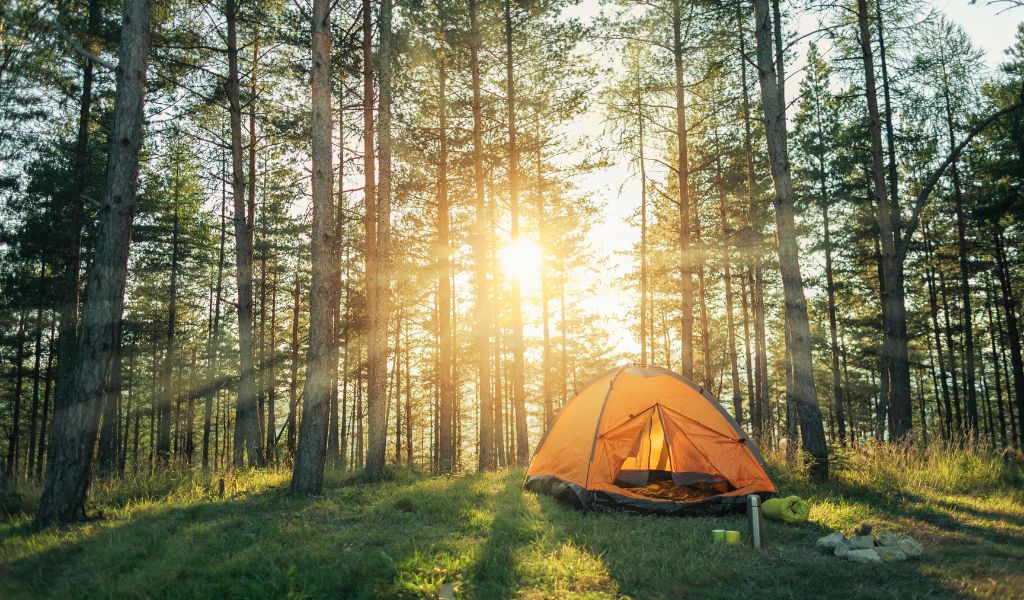
Your tent is the foundation of your camping experience. For most Ribble Valley campsites, a quality three-season tent is ideal.
Families should consider a spacious four-person or larger tent, while couples and solo campers may prefer lightweight options that are easier to transport.
Recommended Tent Options:
- Easy to Pitch 4-Person Family Tent
- 5 Man Waterproof Tunnel Tent with Living area and Darkened Bedrooms
When choosing a tent, look for waterproof ratings suitable for UK conditions and enough space for both sleeping and storing equipment.
Many experienced campers recommend sizing up, as a four-person tent often provides the most comfortable experience for two adults and children.
Sleeping Bags
Even during summer, evenings in the Ribble Valley can become surprisingly cool, particularly on elevated sites near Pendle Hill or the Forest of Bowland.
Choosing the Right Sleeping Bag
A good sleeping bag can make all the difference to a comfortable night’s sleep outdoors. The three main types are mummy, rectangular, and semi-rectangular bags.
Mummy bags offer the best warmth and are ideal for hiking and backpacking, while rectangular bags provide more room and comfort for casual camping.
When choosing a sleeping bag, pay close attention to the comfort temperature rating, which indicates the temperature at which most people will sleep comfortably. For UK camping, a 3-season bag with a comfort rating between 0°C and 5°C is usually a good choice.
Sleeping bags are insulated with either down or synthetic filling. Down offers excellent warmth and packs down small, making it ideal for backpacking, while synthetic insulation is more affordable and performs better in damp conditions.
Look for useful features such as a hood, draft collar, insulated zip baffle, and a compression sack. Most importantly, choose a sleeping bag that suits the weather conditions, your camping style, and your budget.
For most campers, a synthetic 3-season mummy sleeping bag provides the best balance of warmth, comfort, and value.
Lighting and Lanterns
Dark skies are one of the delights of the countryside, but practical lighting remains essential.
Good lighting is an essential part of any camping trip, helping you safely navigate your campsite after dark and creating a comfortable atmosphere in the evenings. Modern LED lanterns are lightweight, energy-efficient, and provide reliable illumination for tents, cooking areas, and communal spaces.
When choosing camping lighting, consider brightness, battery life, and portability.
Rechargeable lanterns are popular for regular campers, while battery-powered models offer convenience on longer trips.
Head torches are also a valuable addition, keeping your hands free for cooking, setting up camp, or finding your way in the dark.
A combination of a lantern for general lighting and a head torch for tasks is often the best solution for most campers.
Recommended Lighting Options:
Clothing for Ribble Valley Weather
The Ribble Valley’s weather can be wonderfully unpredictable. A bright sunny morning can quickly turn into a cool, breezy afternoon, particularly in elevated areas such as Pendle Hill, Longridge Fell and the Forest of Bowland National Landscape.
Packing the right clothing will help you stay comfortable whatever the forecast brings.
Layered Clothing
Layering is one of the most effective ways to prepare for changing weather conditions.
Rather than relying on one heavy item of clothing, wear several lighter layers that can be added or removed throughout the day.
A typical layering system includes a moisture-wicking base layer, an insulating mid-layer such as a fleece, and an outer waterproof shell.
This approach helps regulate body temperature whether you’re walking through Gisburn Forest, exploring Clitheroe’s countryside, or relaxing at your campsite.
Waterproof Jackets
Even during summer, rain showers are common in Lancashire. A quality waterproof jacket is one of the most important items to pack for any camping trip in the Ribble Valley.
Look for a breathable jacket that offers protection from both rain and wind. A lightweight packable waterproof is ideal for day walks, while a more robust jacket may be preferable during spring, autumn and winter visits.
Having reliable waterproof clothing means you can continue enjoying outdoor activities regardless of the weather.
Walking Boots
Many of the Ribble Valley’s most popular walking routes include uneven ground, muddy paths and steep sections. Comfortable, supportive walking boots help prevent blisters and provide stability on varied terrain.
Waterproof footwear is particularly useful after rainfall when footpaths can become wet and slippery. Before your trip, ensure your boots are properly broken in to avoid discomfort during longer walks.
Warm Evening Clothing
While daytime temperatures can be pleasant, evenings often become much cooler once the sun sets. This is especially noticeable at higher elevations and open countryside campsites.
Packing warm layers such as fleeces, insulated jackets, thermal tops and comfortable trousers will help keep you cosy around the campsite.
Extra socks, a warm hat and gloves can also make a significant difference during cooler months or early spring and autumn camping trips.
Sun Protection
Many visitors associate Lancashire with cloudy weather, but the Ribble Valley can enjoy long periods of sunshine, particularly during late spring and summer.
Spending extended periods outdoors increases exposure to ultraviolet rays, even on partly cloudy days.
Pack a high-factor sunscreen, sunglasses and a sun hat to protect yourself from the sun.
Staying hydrated and seeking shade during the warmest part of the day can also help prevent sun-related discomfort while exploring the area’s trails and attractions.
Seasonal Considerations
Each season offers a different camping experience in the Ribble Valley.
Spring brings fresh greenery, wildflowers and mild temperatures, but conditions can still be cool and wet. Waterproofs and extra layers are essential.
Summer offers longer daylight hours and warmer weather, making it ideal for family camping holidays. However, campers should still prepare for occasional rain showers and cooler evenings.
Autumn transforms the landscape with spectacular colours across the Forest of Bowland and surrounding countryside. Warm clothing and waterproof gear become increasingly important as temperatures begin to fall.
Winter camping can be rewarding for experienced outdoor enthusiasts, with peaceful landscapes and crisp countryside views. However, it requires careful preparation, including insulated clothing, high-quality sleeping equipment and regular weather monitoring.
By preparing for all weather conditions, you’ll be able to enjoy everything the Ribble Valley has to offer, whatever the season.