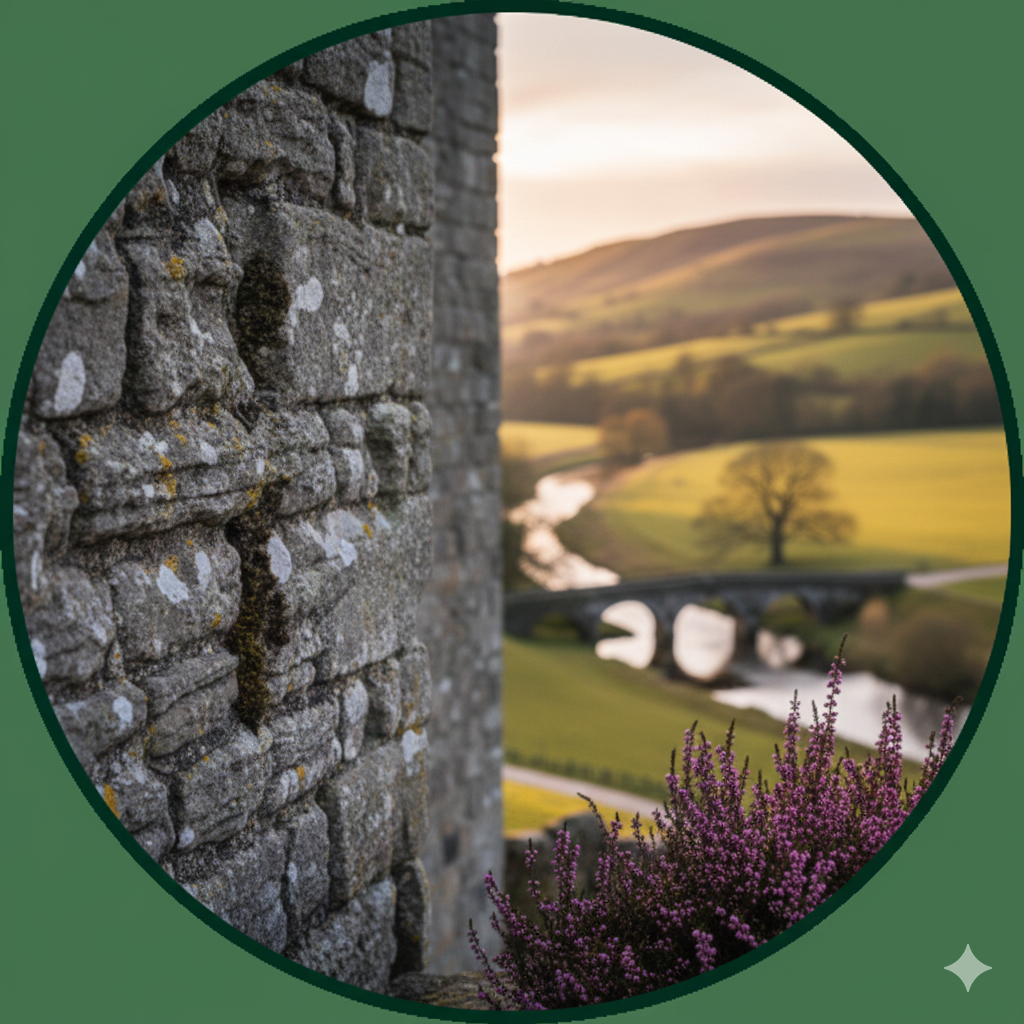
Just across the meandering waters of the River Hodder, hidden in the tree-clad, south-facing slopes of New Laund Hill, lies one of Lancashire’s most intriguing and ancient secrets: the Fairy Holes.
If you have ever enjoyed a Sunday roast or a pint at the historic Inn at Whitewell, you have likely looked right at the hillside concealing them without ever knowing they were there.
Far more than just a geological curiosity, this complex of limestone caves is a site where deep prehistoric human activity and rich Celtic folklore beautifully intertwine.
Here is everything you need to know about the history of the Fairy Holes, alongside a practical guide for how to experience this mystical corner of the Ribble Valley for yourself.
The History: Bronze Age Rituals and Reef Knolls
Unlike neighbouring Yorkshire, Lancashire is not particularly known for its sprawling cave systems.
The Fairy Holes exist thanks to a specific geological anomaly known as the Tournaisian Clitheroe Limestone Formation (often referred to as the “Bowland Line”).
Millions of years ago, a “reef knoll” of ancient limestone pushed through the surrounding shale and gritstone, eventually hollowing out into the caves we see today.
But it is the human history that makes the site truly remarkable.
In 1946, and again in 2013, archaeologists excavated the central cave—a cavern stretching about 25 meters deep into the hillside.
Beneath the soil, they discovered that the Fairy Holes were a site of domestic and ritual importance during the Early to Middle Bronze Age (around 1600–1500 B.C.).
Excavators uncovered fragments of an Early Bronze Age collared funerary urn (now known as the “Fairy Hole Urn”), a stone pebble pounder used for extracting bone marrow, and lumps of bronze slag that point to early metalworking.
They also found cremated human bones alongside the remains of domesticated cattle, fallow deer, and rabbits.
Perhaps most fascinating was the discovery of a dry-stone wall built across the mouth of the cave, suggesting our Bronze Age ancestors deliberately enclosed the space to create a protected sanctuary or dwelling.
The Folklore: A “Thin Place”
When an ancient landscape holds physical remnants of ancient rituals, folklore inevitably follows.
The Forest of Bowland has long been considered a “Thin Place”—a Celtic concept describing a location where the veil between the physical world and the spiritual realm is unusually narrow.
Local legends claim that these caves are the dwellings of fairies, or “the little people,” who were said to emerge on pagan festival days like Samhain.
One of the most enduring local tales speaks of a woman from nearby Clitheroe who was abducted and taken deep into the Fairy Holes to act as a midwife for the fairy queen.
According to the legend, the fairies rubbed a magical, herbal ointment over her eyes so that she could navigate the pitch-black limestone corridors.
Bridging the Past and Present: Tangible Experiences
Reading about Bronze Age rituals or fairy midwives is one thing, but standing in the shadow of New Laund Hill grounds these concepts in a tangible reality.
When you walk the banks of the Hodder today, the damp earth, the dense tree canopy, and the echoing sound of the river are exactly as they were thousands of years ago when the first fires were lit in the cave mouth.
To truly understand the landscape that inspired these ancient communities and enduring myths, you need to step out into it.
The Fairy Holes: A Practical Visitor’s Guide
Because of the sensitive archaeological nature of the caves and their location on working agricultural land, visiting requires a bit of planning. Here is how to make the most of your trip.
1. Viewing the Site from the River The caves themselves are notoriously difficult to spot from a distance, hidden by dense woodland. The best public vantage point is from the banks of the River Hodder.
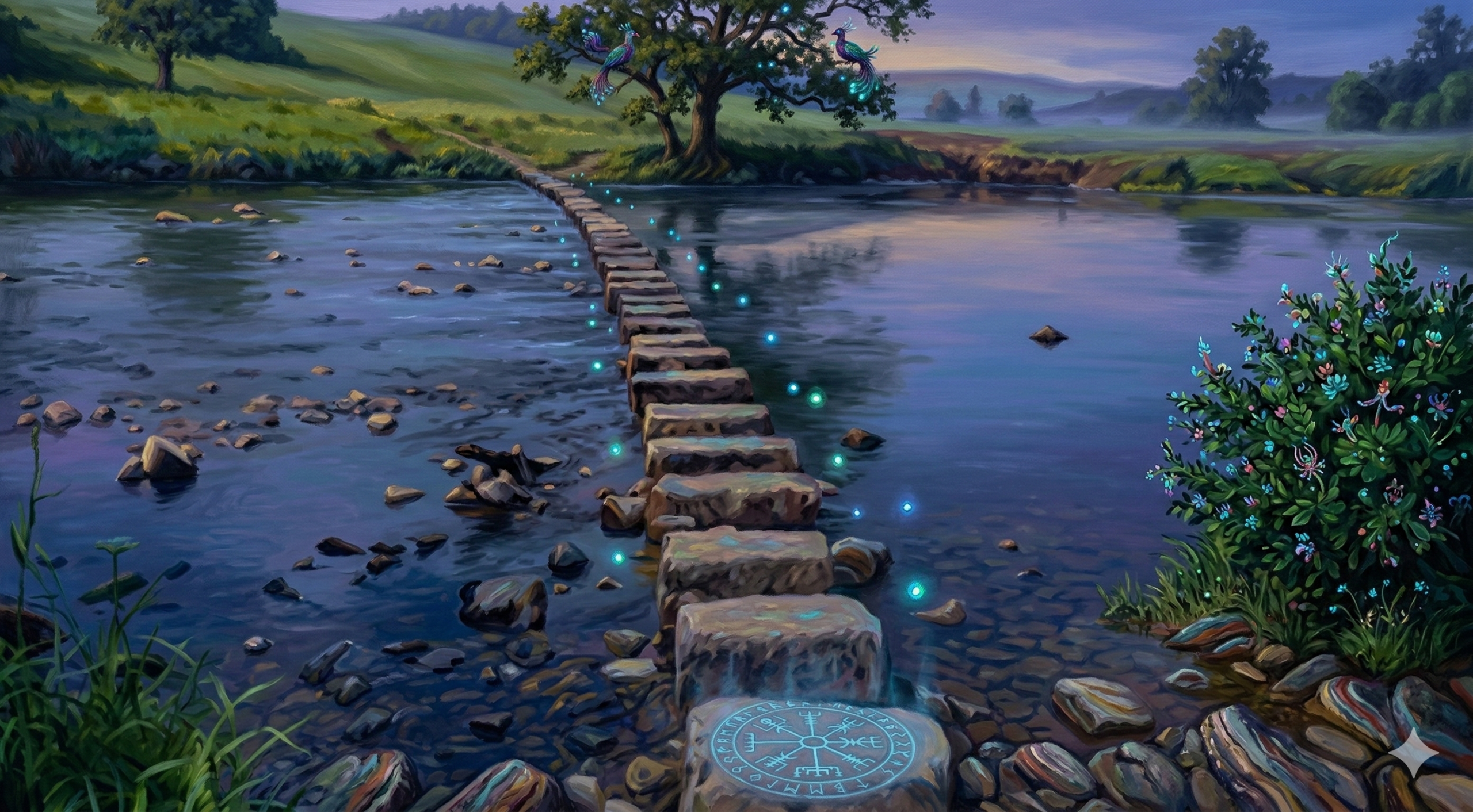
- The Route: Park near the Inn at Whitewell and head towards St. Michael’s Church. Behind the church, you will find a public footpath leading down to the river and a famous set of stepping stones.
- The Experience: Crossing the stepping stones gives you a direct view of the steep incline of New Laund Hill on the opposite bank. This is the very landscape the Bronze Age settlers would have navigated daily.
2. Access and Permissions It is vital to note that the Fairy Holes are located on private land belonging to the Whitewell Estate (specifically New Laund Farm).
- There is no official public right of way directly to the cave entrance.
- The caves are also home to protected bat colonies.
- If you wish to hike up to the caves themselves, you must seek prior permission from the Whitewell Estate. Please respect the land, stick to the Countryside Code, and do not attempt to scramble up the steep, unmarked hillside without authorization.
3. See the Artifacts at Clitheroe Castle If you want to get up close and personal with the physical history of the caves, you don’t actually need to climb the hill.
- The Museum: Head to the Clitheroe Castle Museum in the centre of Clitheroe.
- What to look for: The museum houses several of the actual artifacts pulled from the Fairy Holes during the 1946 excavations, including the ancient stone pounder. Seeing these tools in person bridges the gap between the mythic tales of fairies and the very real, calloused hands of the people who lived in the Ribble Valley over 3,500 years ago.
4. Make a Day of It Pack sturdy, waterproof walking boots—the banks of the Hodder and the surrounding footpaths are notoriously muddy year-round. After exploring the riverbanks and scanning the treeline for the hidden caves, head back to the Inn at Whitewell to warm up by the fire, just a stone’s throw from where our Bronze Age ancestors once lit theirs.
Respecting the Valley’s Ancient Secrets
The Fairy Holes offer a rare, tangible link to the Ribble Valley’s ancient past, seamlessly blending Bronze Age history with enduring local folklore.
Standing near the Hodder and looking up at New Laund Hill allows us to step out of the modern world and connect with the landscape exactly as our ancestors did thousands of years ago.
However, it is crucial to remember that part of the reason this site retains its magic is because it remains undisturbed.
The Fairy Holes are located on private, working agricultural land owned by the Whitewell Estate, and there is no public right of way to the caves.
Visiting the site or climbing the hillside without explicit, prior permission from the landowner is strictly prohibited.
To protect both the sensitive archaeological nature of the caves and the local wildlife (including protected bat colonies), we strongly encourage you to experience the site responsibly.
Enjoy the stunning views from the public footpaths and stepping stones along the River Hodder, and head to the Clitheroe Castle Museum to see the Bronze Age artifacts up close.
By doing so, we can ensure the Fairy Holes keep their ancient secrets safe for generations to come.